
How to Tell If You Need a House Leveling Service
Recognizing early warning signs of structural movement protects residential properties against catastrophic foundation failures, expensive cosmetic repairs, and declining resale value. Over extended periods, soil shifting, inadequate drainage, hydrostatic pressure, and natural settling disrupt structural equilibrium beneath concrete slabs or pier and beam foundations. Homeowners must remain vigilant, inspecting interior living spaces and exterior perimeters regularly for subtle signs of foundation distress. Hiring a qualified house leveling service restores structural stability, ensuring weight loads distribute evenly across foundational supports. Taking prompt action when structural warning signs first appear safeguards your family's financial investment, prevents secondary framing issues, and preserves the long-term structural integrity of your home.
Spotting Cracks in Interior Drywall
Unexplained diagonal fractures appearing near interior door frames, window corners, or ceiling junctions frequently signal underlying foundation movement. As supporting floor joists and concrete footings shift unevenly, structural framing twists, putting immense stress on rigid interior wall materials. Engaging a specialized house leveling service allows foundation experts to lift sunken footings back into proper alignment before wall fractures widen significantly. Minor hairline surface cracks can quickly expand into major structural gaps if underlying soil settlement continues unaddressed. Monitoring drywall integrity provides homeowners with immediate visual feedback regarding active foundation movement, allowing timely professional interventions that prevent secondary framing damage across living spaces.
Identifying Sticking Doors and Windows
When door frames and window sashes bind, stick, or refuse to latch properly, distorted rough openings are usually responsible. Foundation settlement pulls structural studs out of plumb alignment, altering rectangular window and door openings into binding parallelograms. Homeowners often mistake sticking doors for humidity swelling, but persistent operational friction across multiple openings indicates serious structural displacement. According to Today's Homeowner, building codes typically allow only minimal floor sag, usually capped at around 1/360 of the floor’s span. Calling a reputable house leveling service realigns warped structural framing, allowing doors and window sashes to slide effortlessly once again without requiring trimming or modification.
Measuring Unlevel Floors and Slopes
Noticing marbles rolling across hardwood floors or feeling distinct dips while walking across rooms confirms active subfloor slope issues. As pier supports sink into soft soil or concrete slabs drop, floor joists lose essential support, causing severe sagging throughout interior rooms. Contracting an experienced house leveling service ensures hydraulic jacks or steel piers lift depressed floor sections back to original horizontal elevations. Ignoring sloping floors causes furniture to wobble, damages delicate floor finishes, and weakens structural floor trusses over time. Measuring floor slopes provides definitive proof of foundation movement, guiding repair specialists to implement targeted structural lifting solutions where needed most.
Examining Exterior Brick and Masonry
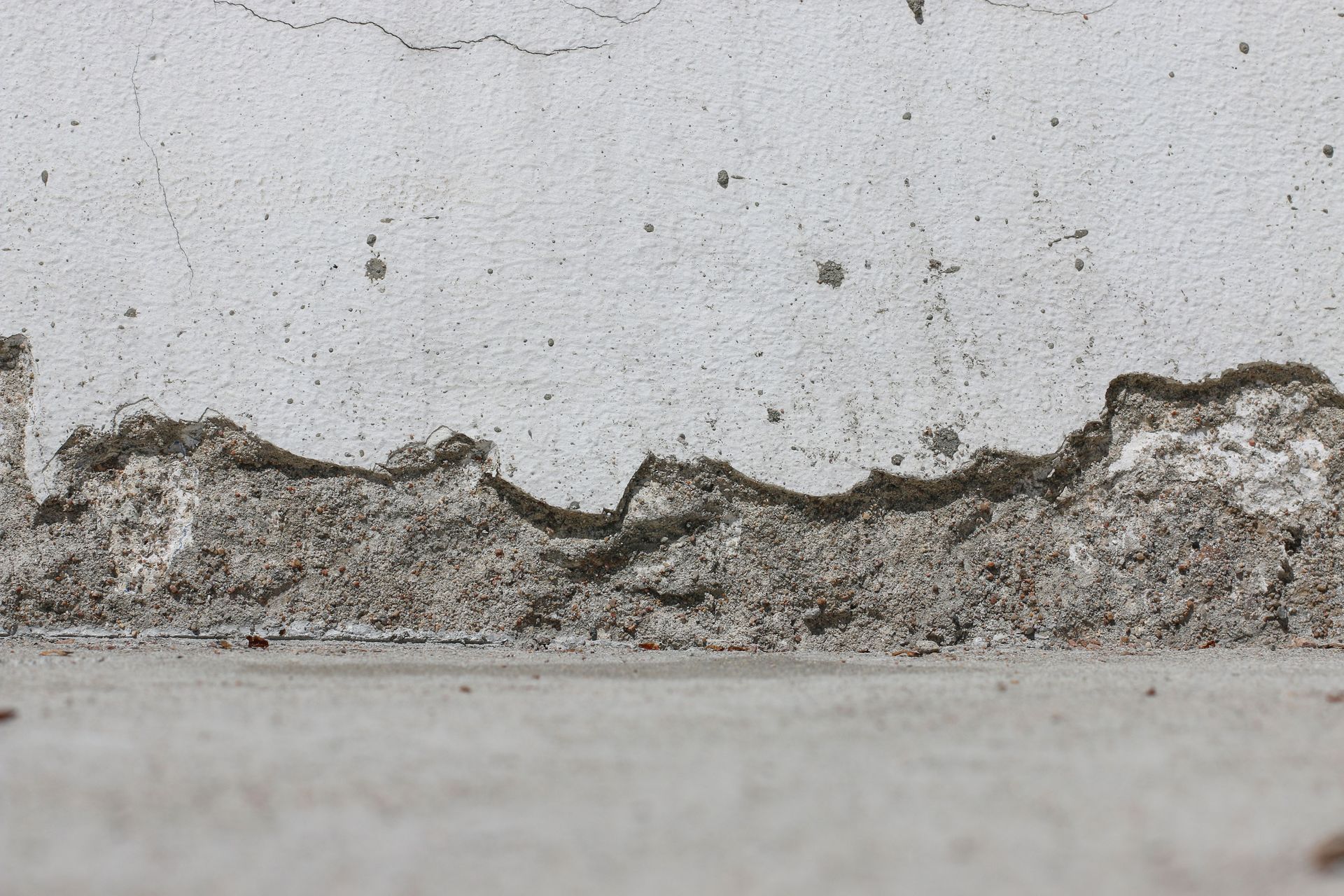
Inspecting exterior veneer walls often reveals distinct staircase-pattern cracks tracking through brick mortar joints or poured concrete foundations. External masonry walls react quickly to underlying soil shifts, separating along weak mortar lines as foundational support drops beneath exterior walls. Scheduling a professional house leveling service stabilizes shifting perimeter footings, closing exterior masonry gaps and stopping further wall rotation effectively. Expanding exterior cracks allow rainwater infiltration, exposing internal wall framing to dangerous moisture rot and pest infestations. Timely external masonry evaluations protect your home's structural envelope, ensuring brick facades remain structurally sound and visually appealing for decades.
Checking Gaps Around Trim Work
Observing wide gaps forming between baseboards and floor coverings or crown molding separating from ceiling drywall indicates severe framing movement. As subfloors sink away from load-bearing interior walls, trim pieces pull apart, creating unsightly gaps along room perimeters. Consulting a skilled house leveling service remedies underlying joist sagging, raising depressed floors so decorative trim fits snugly against wall surfaces once more. Separating moldings signal that floor structures are migrating away from primary wall studs, creating dangerous load distribution issues beneath living areas. Addressing trim separations promptly prevents severe structural framing detachment, protecting interior architectural details from permanent distortion.
Evaluating Porch and Chimney Tilting
Detecting a visible lean in heavy brick chimneys or observing front porches pulling away from main house structures warns of localized foundation collapse. Heavy masonry structures exert massive downward pressure, causing poorly supported footings to sink rapidly into unstable exterior soil layers. Enlisting a certified house leveling service stabilizes tilting chimneys and sinking porches using deep helical piers driven straight into dense load-bearing strata. Tilting chimneys pose immediate safety hazards, risking sudden collapse or allowing dangerous flue gases to leak into attic spaces. Stabilizing attached exterior structures restores structural alignment, keeping heavy architectural features firmly secured to primary residential foundations.
Inspecting Crawl Space Pier Supports
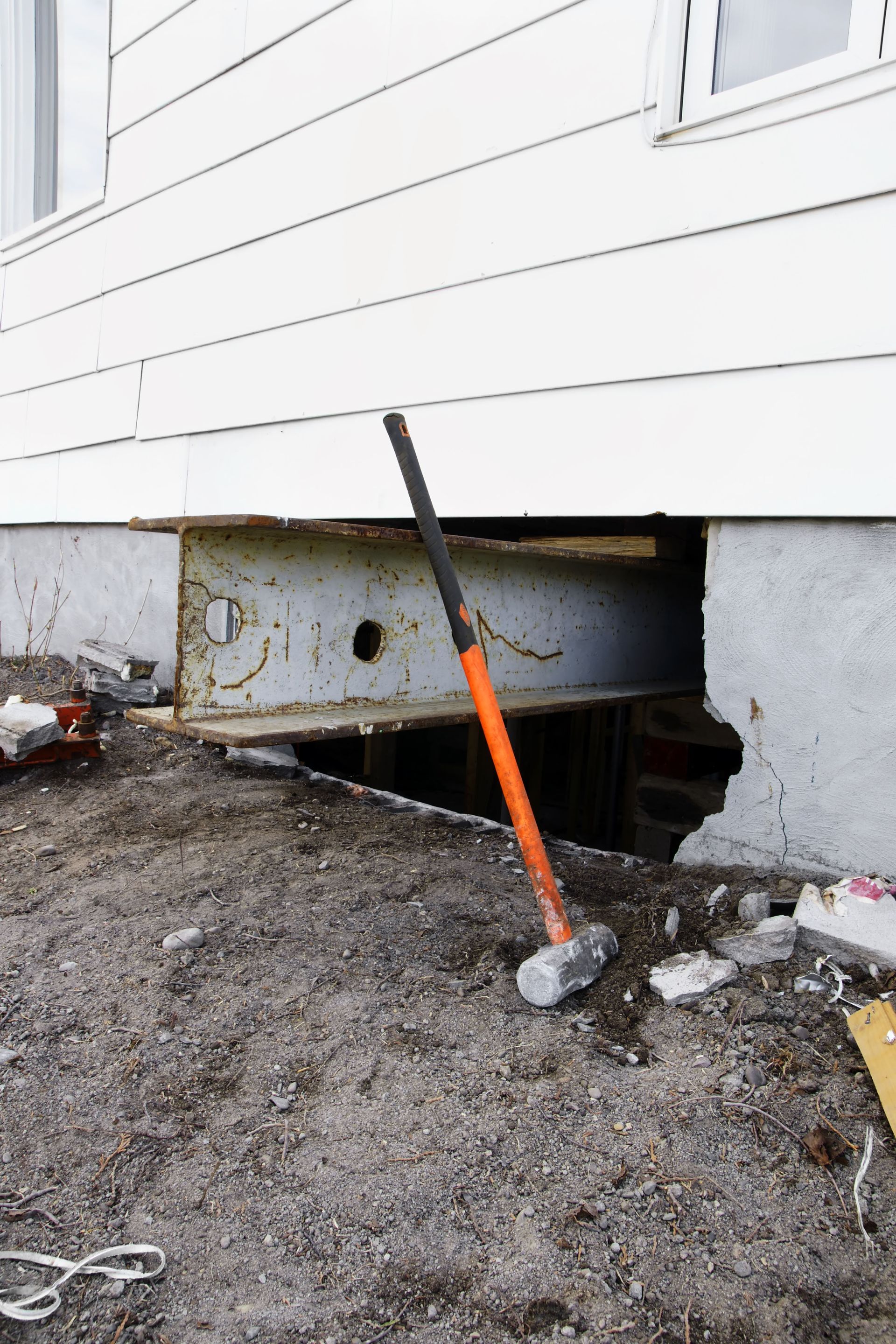
Entering crawl space foundations often reveals tilted concrete piers, rotted wooden shims, or sagging center girders beneath main living areas. Excessive moisture, wood-decaying fungi, and shifting dirt floors weaken wood posts, causing primary floor beams to drop below original building specifications. Partnering with knowledgeable house leveling services replaces deteriorated crawl space supports with heavy-duty adjustable steel jacks anchored upon solid concrete footings. Upgrading compromised pier supports prevents floor joists from snapping under heavy household weight loads, ensuring firm, bounce-free flooring throughout main living quarters. Regular crawl space inspections catch structural decay early, stopping floor collapse before expensive interior renovations become necessary.
Detecting Moisture Buildup Around Foundations
Noticing pooling rainwater along foundation perimeters or persistent dampness inside crawl spaces highlights dangerous soil conditions that cause foundation settlement. Excess water saturates expansive clay soils, causing soil expansion, while poor drainage washes away essential supporting dirt beneath concrete footings. Consulting expert house leveling services corrects underlying structural damage, while specialists recommend proper grading and perimeter drainage enhancements. Chronic moisture issues weaken soil load capacity, leaving heavy concrete foundations vulnerable to sudden sinking and severe cracking during heavy rainfall events. Eliminating standing water protects stabilized foundations, ensuring long-term structural lifting repairs remain completely safe, permanent, and effective.
Investigating Plumbing Leaks Beneath Slabs
Noticing sudden unexplained increases in monthly water bills or hearing running water beneath floors can indicate broken underground plumbing lines. Shifting concrete slabs shear buried supply pipes and sewer lines, while leaking water rapidly erodes supporting soil beneath house foundations. Contacting dependable house leveling services lifts sunken concrete slabs back into place after plumbers repair damaged underground utility lines. Unaddressed slab leaks create massive subterranean voids, accelerating foundation sinking and causing severe structural cracking throughout upper floor levels. Combining plumbing repairs with professional slab leveling restores solid ground support, preventing catastrophic foundation collapse caused by hidden subterranean erosion.
Assessing Cabinet and Countertop Separation
Observing kitchen cabinets pulling away from wall drywall or noticing counter surfaces sloping away from level backsplash tile confirms active floor movement. When interior floor joists sink, attached base cabinets drop lower, pulling upper cabinetry away from vertical wall studs and breaking caulking seals. Hiring dedicated house leveling services elevates subfloors back to original horizontal planes, eliminating stress on custom cabinetry and expensive stone countertops. Tilted counters complicate meal prep, cause cabinet doors to swing open unexpectedly, and risk cracking fragile granite or quartz surfaces. Leveling foundational supports restores pristine kitchen alignment, protecting valuable interior cabinetry and built-in fixtures from costly structural damage.
Maintaining a stable, level foundation requires vigilant monitoring, prompt diagnostic evaluations, and decisive professional structural intervention when warning signs emerge. By identifying drywall cracks, binding doors, sloping floors, and separating trim work early, property owners mitigate severe structural degradation effectively. Partnering with structural lifting specialists ensures foundation footings, crawl space piers, and concrete slabs receive permanent support tailored to specific soil conditions. Proactive foundation stabilization safeguards real estate value, prevents secondary interior damage, and restores structural balance throughout living spaces. Investing in timely foundation leveling ensures your home remains safe, structurally sound, and beautiful for many comfortable years to come.
Are you seeking an experienced house leveling service in Beaumont, TX, and the surrounding areas? HomeWorks Foundation Repair provides leveling services, foundation repair, drainage solutions, and more! Contact us today to schedule a service appointment.


Share On: