
Debunking 4 Common Foundation Repair Myths
Foundation repair is a crucial aspect of maintaining a home's structural integrity, but it is often surrounded by misconceptions. These myths can lead homeowners to delay necessary repairs or choose inappropriate solutions, which can result in long-term damage and higher costs. Understanding the truth behind these myths is essential for making informed decisions that ensure the safety and stability of one's home. This article aims to debunk some of the most common foundation repair myths, providing clarity and guidance for both homeowners and industry professionals. By addressing these misconceptions, we can promote more effective and economical foundation repair practices.
1: All Foundation Repair Methods Are the Same
Types of Foundation Repair Methods
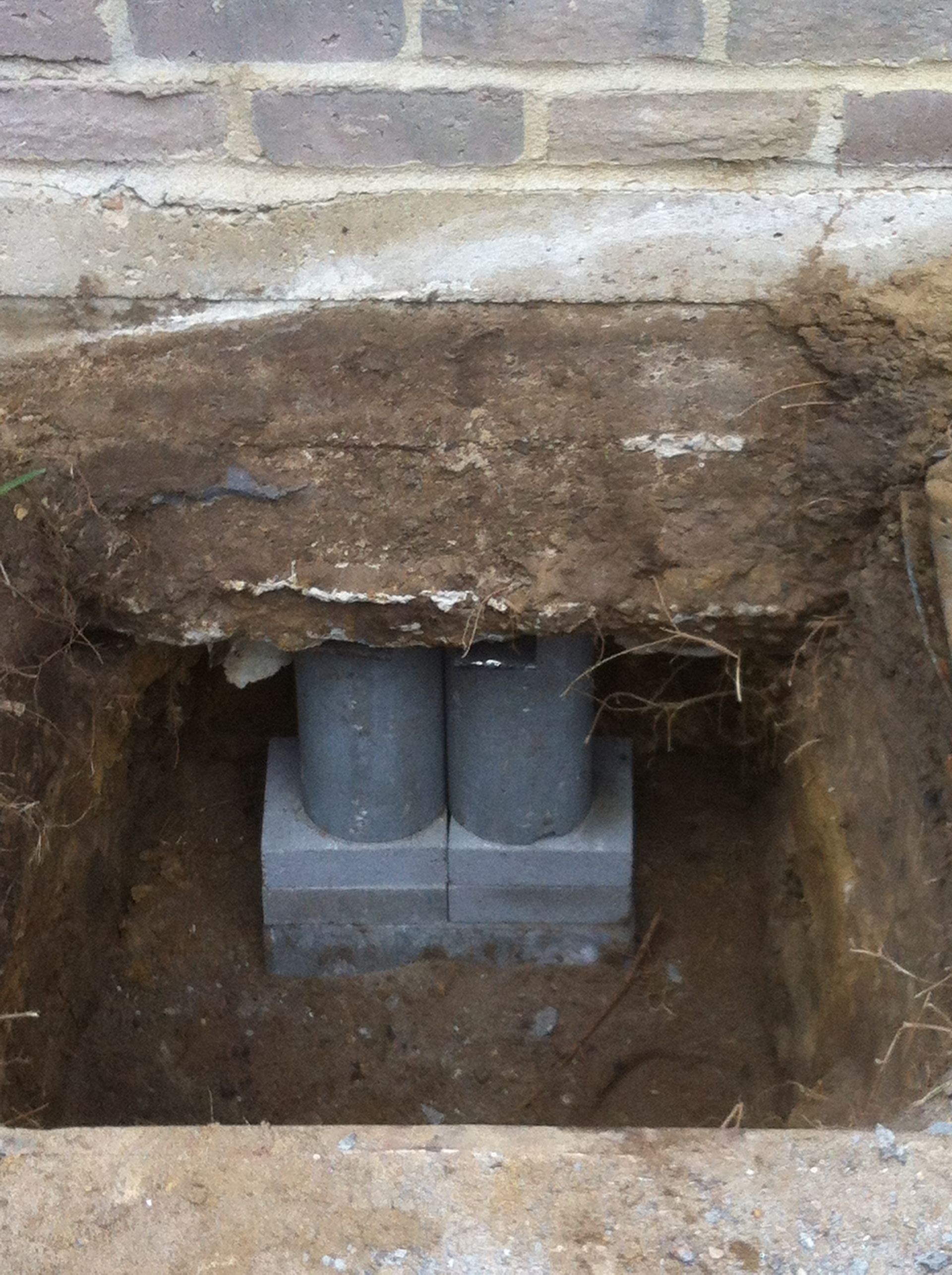
Another prevalent myth suggests that all foundation repair methods are indistinguishable, leading homeowners to overlook distinct approaches. Various repair techniques cater to different types of foundation issues. Common methods include slab jacking and sealing, which are each suitable for particular problems and conditions. The efficacy of a repair method depends largely on the underlying cause of the foundation problem and the type of soil. Therefore, understanding the unique features of each method is crucial for optimal repair outcomes.
Pros and Cons of Different Methods
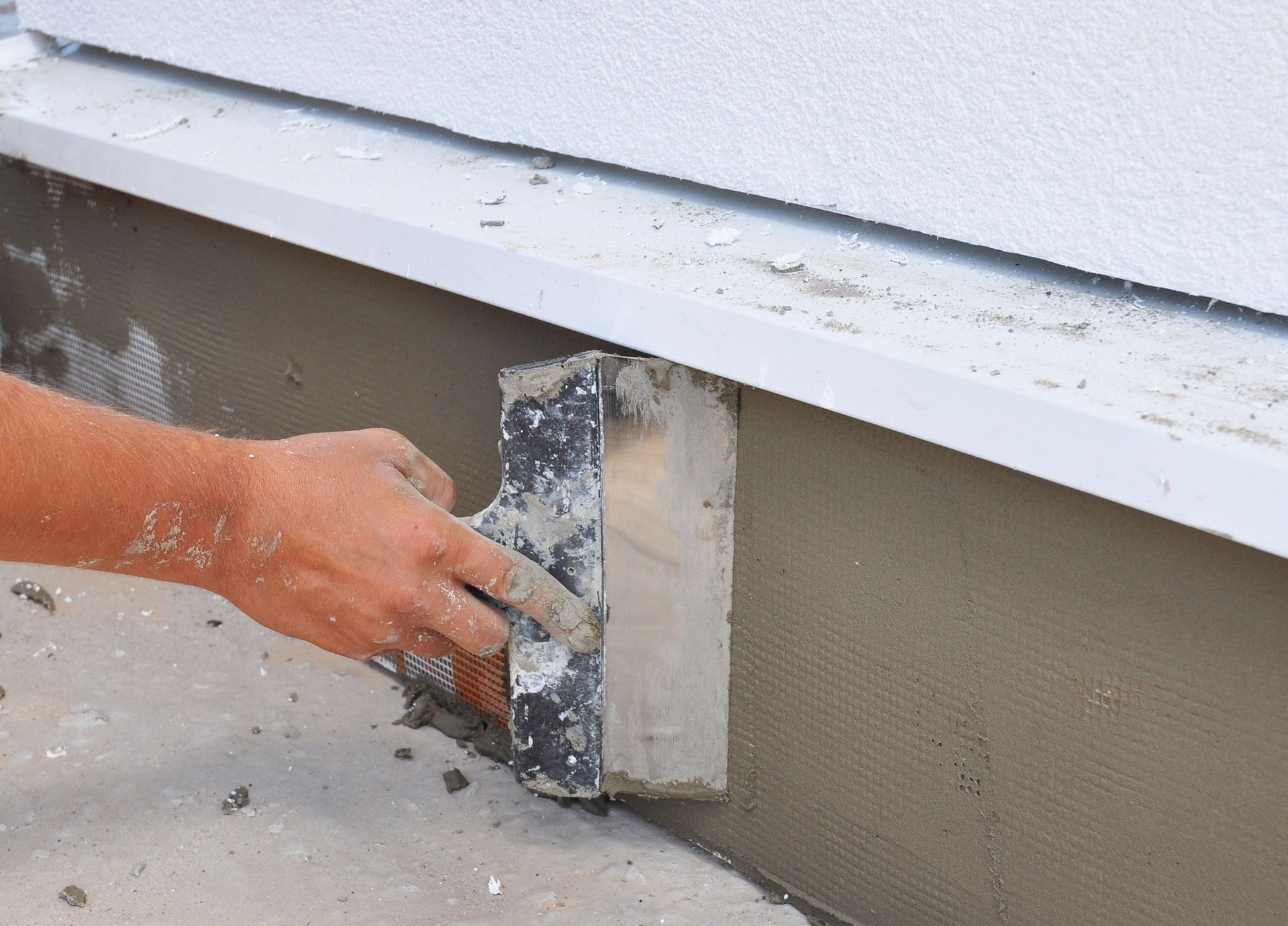
Each foundation repair method has its pros and cons that should be carefully considered before proceeding. Slab jacking, for instance, is minimally invasive and effective for sunken slabs but is less suitable for significant structural damage. Sealants are excellent for waterproofing and minor cracks but do not address shifting or settling issues. Weighing these advantages and disadvantages helps in selecting the most appropriate repair technique for specific circumstances.
Criteria for Choosing the Right Method
Choosing the correct foundation repair method involves several critical criteria. The extent of the damage, the type of foundation, local environmental conditions, and available budget all play a role in this decision-making process. Professional assessment is invaluable, as experts can diagnose the precise issue and recommend the most suitable repair method. Homeowners should also consider long-term effectiveness and potential disruption associated with each method. With informed guidance, one can select a repair approach that balances efficacy, cost, and practicality.
2: Foundation Repairs Don't Last
Factors Influencing Repair Longevity
The belief that foundation repairs do not last is unfounded, as longevity is influenced by several factors. Key influencers include the quality of materials, the expertise of the contractor, and the method used. Additionally, the environment and ongoing maintenance play roles in ensuring sustained effectiveness. Repairs conducted with high-quality materials and experienced professionals typically have greater longevity. By understanding these factors, homeowners can make informed choices that enhance the durability of foundation repairs.
Quality of Materials and Workmanship
High-quality materials and skilled workmanship are critical components that determine the success and longevity of foundation repairs. Reputable contractors use advanced materials specifically designed for durability under varied conditions. These materials can withstand environmental stresses that ordinarily cause other materials to degrade. The skill of the contractor is equally important; meticulous execution can significantly enhance repair life span. Thus, selecting professionals with a proven track record ensures reliable and enduring repairs.
Importance of Regular Maintenance
Regular maintenance practices are essential for maintaining the effectiveness of foundation repairs over time. Maintenance may include checking for new cracks, monitoring drainage systems, and ensuring soil pressure remains stable around the foundation. You should address any wear-and-tear signs promptly to prevent further issues. Just as vehicles require regular servicing to function efficiently, home foundations need periodic checks. Cultivating a proactive approach to maintenance preserves repair integrity and prolongs its useful life.
3: Only Older Homes Have Foundation Problems
Why New Homes Are Not Immune
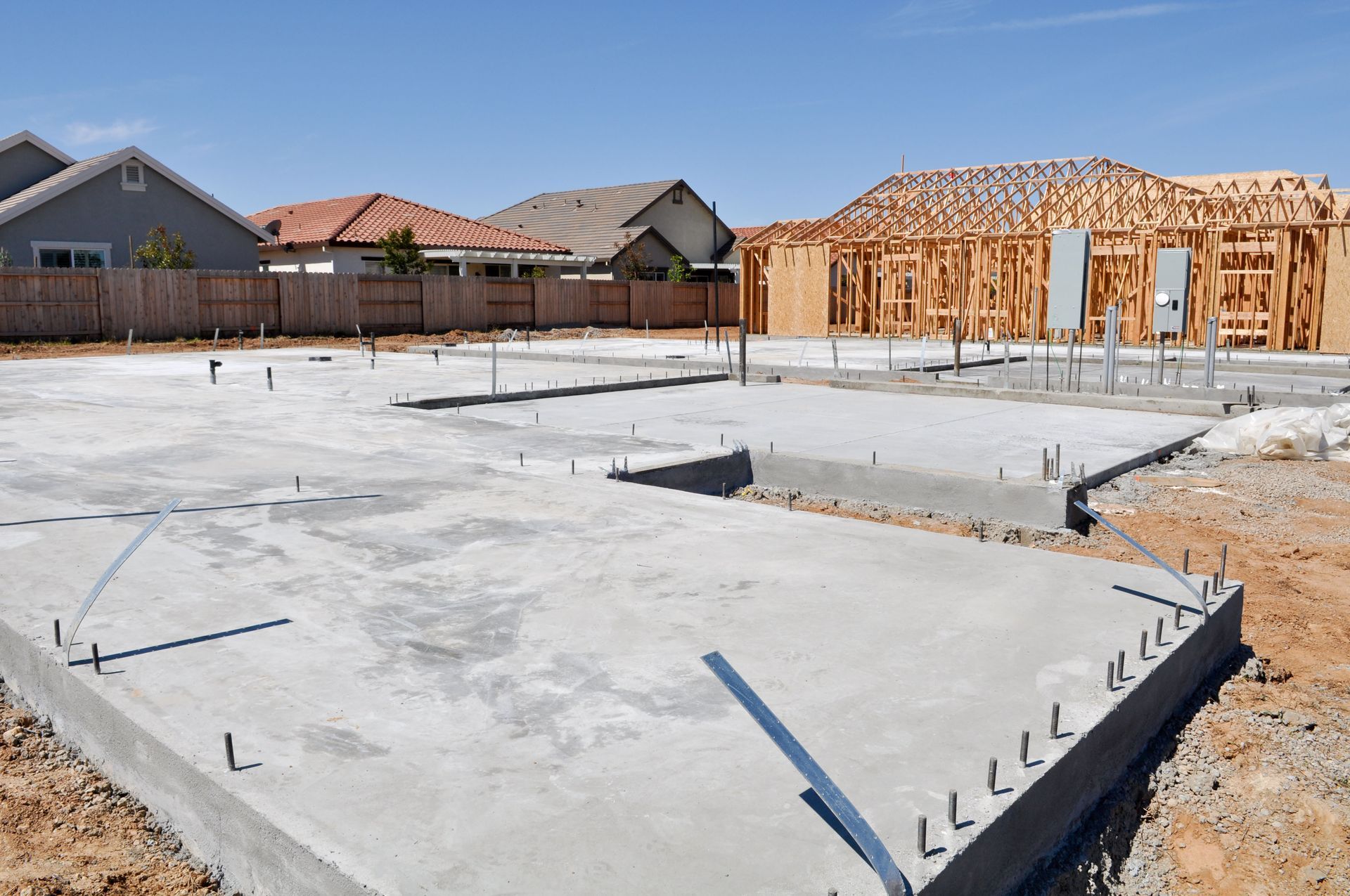
The belief that new homes are resistant to foundation issues is a pervasive myth. New construction certainly uses improved techniques and materials, but these homes are not infallible. Issues can arise due to poor construction practices, substandard materials, or unforeseen environmental factors. Newer properties might experience shifting soils or inadequate drainage, leading to potential foundation stress. Consequently, owners of new homes should remain vigilant and aware that age doesn't exempt their property from foundation concerns.
Environmental and Soil Conditions
Environmental factors significantly influence the stability of a home's foundation, affecting both old and new constructions. Soil composition, moisture levels, and temperature fluctuations can cause expansion and contraction, impacting foundation integrity. Homes constructed on clay-heavy soils are particularly vulnerable, as these soils can dramatically shift with moisture changes. Moreover, unforeseen natural events like earthquakes or heavy rainfall can severely affect any foundation. Understanding these influences underscores that vigilance is needed no matter the home's age.
Impact of Construction Practices
Construction practices greatly impact the initial foundation stability, which can affect new homes just as much as older buildings. Poor construction inspection, inadequate site preparation, or neglect of proper drainage systems can pose long-term risks. Even seemingly minor oversights like insufficient curing time for concrete can contribute to foundational issues later. Builders aiming to cut costs can inadvertently compromise structural integrity, causing problems to surface sooner than expected. Awareness and diligence in construction methods vastly improve foundational outcomes for any age home.
Long-term Monitoring and Maintenance
Consistent monitoring and maintenance are integral to the long-term health of a home's foundation. According to Clever Real Estate, an estimated 25% of all American homes will suffer structural distress like foundation damage during their lifetimes. This highlights the importance of foundation maintenance, regardless of a property's age or other factors. Regularly checking for cracks, uneven flooring, or sticking doors can aid in early detection of potential problems. Engaging in annual professional inspections provides assurance that minor issues won't escalate. Putting these maintenance strategies into practice safeguards against unexpected foundation failures. By embracing ongoing monitoring, homeowners protect both their investment and their peace of mind.
4: Foundation Issues Are Easy to Spot
Subtle Signs of Foundation Problems
One of the most misleading myths is that foundation issues are readily apparent. In reality, problems can begin as subtle changes that are easily overlooked by the untrained eye. Minor symptoms include small wall cracks, doors or windows that don't close properly, and slight floor unevenness. These early signs are frequently dismissed as inconsequential, yet they may signify underlying structural concerns. It's crucial for homeowners to recognize and respond to these subtle indicators promptly to mitigate more severe damage.
Common Misinterpretations
Misinterpretations of structural signs often lead to underestimations of foundation damage. Cracks might be dismissed as settling, while door misalignment is attributed to weather changes. Such misjudgments delay necessary repairs, aggravating the issues over time. Another misconception is the belief that only larger cracks warrant attention, disregarding smaller ones that might herald more significant structural challenges. Recognizing these misinterpretations as pitfalls encourages more proactive repair approaches and enhances structural resilience.
Consequences of Late Detection
The consequences of late detection can be significant, leading to escalated repair costs and extensive damage. Prolonged neglect may result in irreversible structural complications, affecting a home's safety and value. By counteracting myths that encourage complacency, homeowners can prioritize early intervention and limit long-term expenses. Addressing issues as they emerge ensures structural longevity and sustenance of property value. The emphasis on timely detection is crucial in reinforcing proactive maintenance and lifelong foundation health.
Debunking these pervasive foundation repair myths reveals a fundamental need for informed practices among homeowners and professionals alike. By acknowledging that both new and older homes can suffer from foundation issues, and appreciating the subtlety of identifying problems, homeowners can take informed actions to maintain their property's structural integrity. This awareness can ultimately foster better decision-making, leading to enhanced safety, value, and sustainability of homes across diverse environments and conditions. If your home needs foundation repairs, reach out to our team at HomeWorks Foundation Repair today to learn more about our expert services!

Share On: